English
 Review
Confirm drawings, alloy, quantities, tolerances, finish and target sample timing.
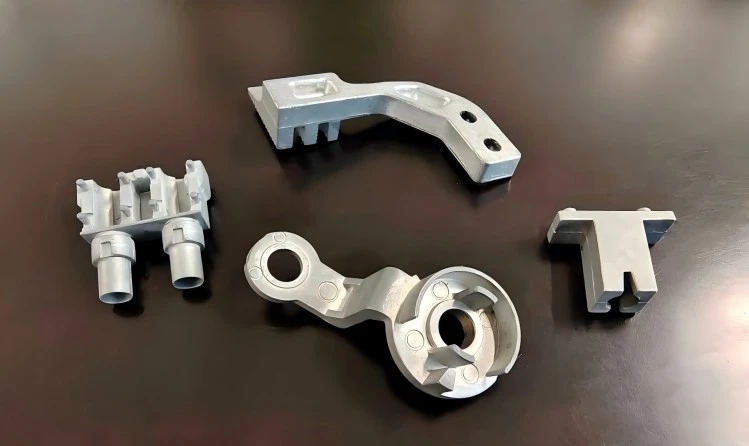
A successful custom part requires material, design, tooling, approval, finishing and quality requirements to be planned together. The workflow below provides clear technical and commercial approval points before repeat production begins.
Confirm drawings, alloy, quantities, tolerances, finish and target sample timing.
Evaluate wall thickness, draft, gates, parting line, porosity and machining.
Design tooling, produce T1 samples and complete the agreed inspection package.
Control revisions, repeat production, finishing, assembly, packing and delivery.
The project begins with a review of the customer’s drawing, preferred alloy, quantity, critical dimensions, surface requirements and application. Drawings do not need to be fully optimized for die casting before submission; potential manufacturing concerns can be identified during the next DFM stage.
A preliminary feasibility response can typically be prepared within approximately one to three working days after complete project information is received.

Confirm whether zinc die casting is an appropriate process for the size, geometry and production plan.
Identify unclear tolerances, unspecified visible surfaces, missing annual volume or incomplete quality requirements.
Define the expected tooling complexity, sample route, secondary operations and information needed for formal pricing.
DFM evaluates whether a part can be filled, released, trimmed, machined, finished and inspected consistently. Its purpose is to reduce foreseeable risks while protecting the intended fit, function and appearance.
A typical wall range of approximately 0.8–3.0 mm is practical for many zinc parts. Localized thinner areas depend on flow length, projected area, alloy and gate position. Abrupt changes, isolated heavy bosses and very long thin walls should be reviewed carefully.
Draft helps avoid excessive ejection force, distortion and surface damage. Parting lines should be kept away from visible faces, sealing areas and important assembly interfaces where practical.
Gate and overflow positions affect filling, air evacuation, flow-line location and local porosity. Areas that will be machined or pressure tested must be identified before tool design.
Threads, critical bores, sealing faces, mounting surfaces and bearing seats should be defined early so machining allowance, datums and clamping surfaces can be incorporated.
DFM output may include a marked-up drawing, risk summary, wall-thickness and draft recommendations, proposed parting-line or gate areas, machining notes and open technical questions. No design change should be implemented without customer approval.
After the drawing and DFM proposal are approved, the project moves into zinc die casting tooling design. Conventional hot-chamber or multi-slide tooling is selected according to size, projected area, feature directions, complexity, surface requirements and annual volume.
Suitable for many small and medium parts, conventional opening structures, standard slides or cores and repeat multi-cavity production.
Evaluated for smaller complex parts with multiple side features, including connector, locking, electronic and precision hardware components.
| Tooling Topic | What the Page Should Explain | Why It Matters to the Buyer |
|---|---|---|
| Tool Type | Conventional or multi-slide route, cavity count, slides and inserts. | Determines tool cost, production route and part feasibility. |
| Tool-Life Target | State whether the target refers to the full tool, cavity insert or wear component. | Prevents a general shot number from being misread as an unconditional guarantee. |
| Ownership | Define payer, owner, storage location, transfer rights and design-file ownership. | Protects the customer’s long-term supply and commercial rights. |
| Maintenance | Cleaning, lubrication, vent cleaning, slide/ejector checks, repair and records. | Supports repeat production and reduces unexpected tool downtime. |
| Engineering Changes | Assess affected inserts, cost, timing, tool life and sample reapproval. | Controls revisions and prevents unapproved product changes. |
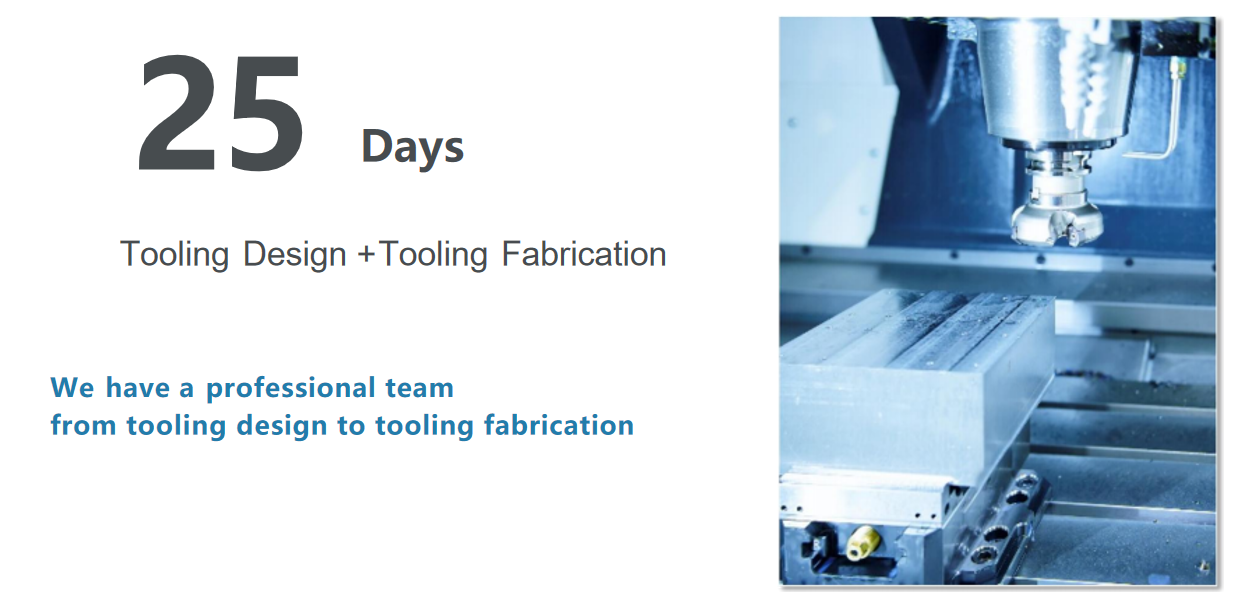
A typical new zinc die-casting tool may require approximately four to eight weeks, depending on part complexity, cavity quantity, slide structure and inspection requirements.

T1 samples are the first parts produced from the production-intent tooling. The required sample quantity should be based on what must be validated rather than using one fixed quantity for every project.
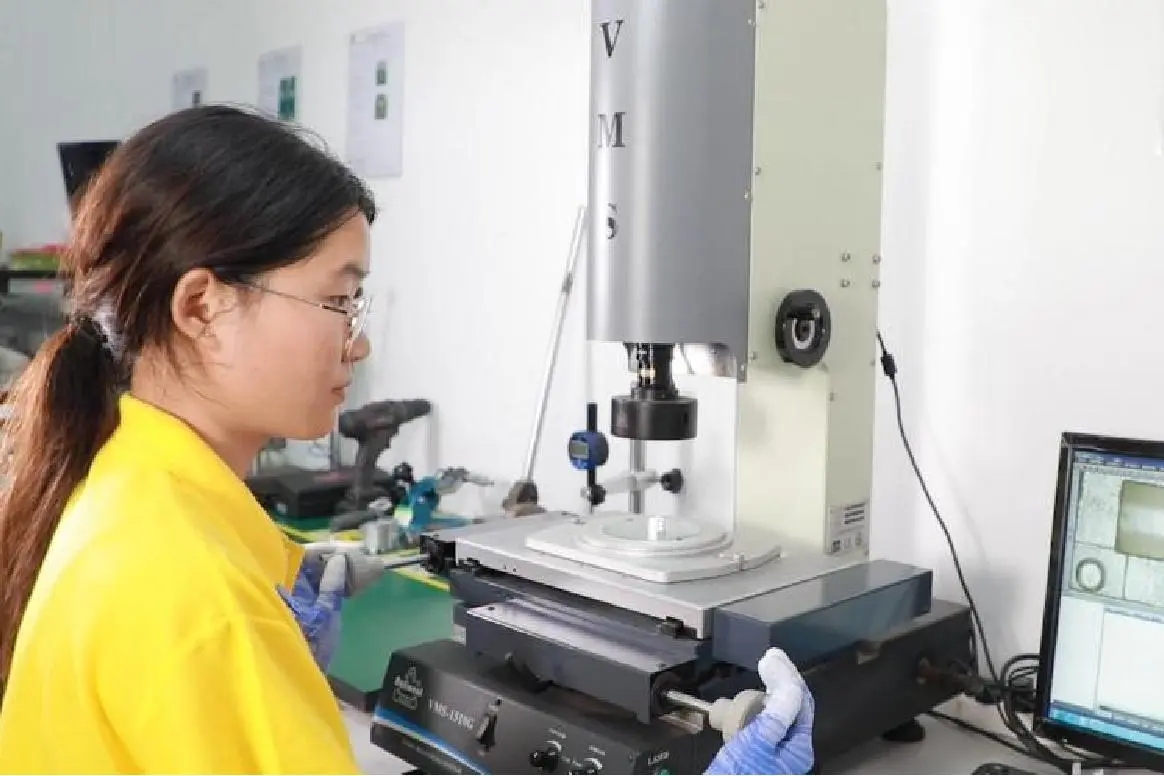
Inspection may cover critical dimensions, geometric tolerances, part weight, filling, flash, ejector and parting-line marks, machined features, fit, finish and functional performance.
Visible surfaces should be identified on the drawing or appearance standard. When appearance is subjective, approved physical finish samples are more reliable than written descriptions alone.
The approval package should match the industry, part risk and customer requirements. The page should not imply that every custom project automatically includes a complete automotive PPAP submission.
May include a ballooned drawing, dimensional report, material information, critical-feature results, finish confirmation and sample identification.
Required level, PSW, process flow, PFMEA, control plan, MSA, material results, dimensions, appearance and sample quantity must be agreed before quotation.
Production approval may use signed samples, approved reports, written email approval, PPAP approval or an agreed appearance reference.
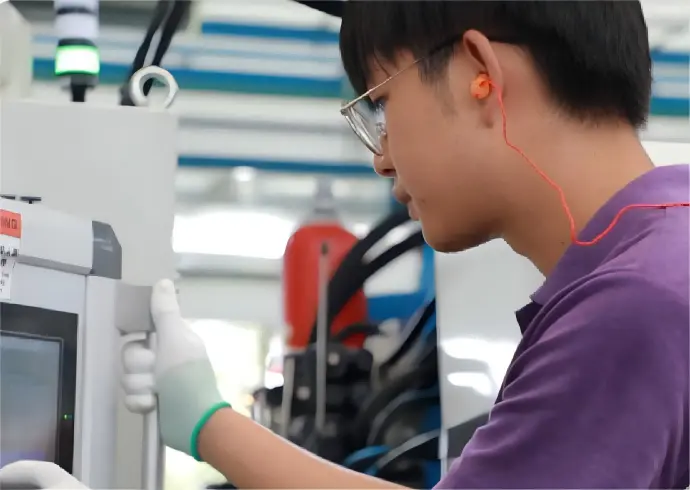
Production planning connects the confirmed order quantity and delivery date with tool availability, machine capacity, alloy, finishing, inspection, packaging and logistics. Forecasts are especially useful for recurring programs.
Where required, traceability can connect the purchase order, production date, tool, machine, alloy batch, shift, finishing batch, inspection record and packaging lot.
Identify and contain affected parts, then evaluate sorting, rework, scrap, root cause, corrective action, customer notification or replacement production.
Changes involving alloy, tooling, process, finish, supplier or inspection method should be evaluated before implementation and approved where required.
Use forecasts and order schedules to plan material, machine, finishing, inspection, maintenance and packaging capacity.
Custom zinc die cast parts may require secondary operations before they are ready for customer assembly or final use. These requirements should be identified during RFQ and DFM rather than added after T1.
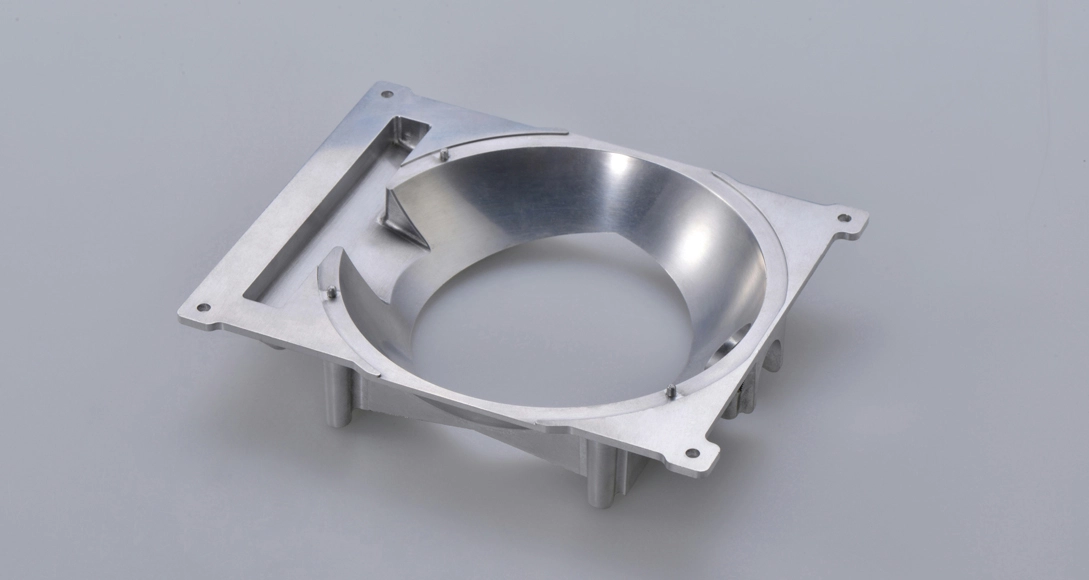
Finish feasibility depends on alloy quality, porosity, part design and surface preparation. Where appearance is critical, a physical approved finish sample should be retained for comparison.
Packaging is selected according to part weight, surface finish, corrosion sensitivity, assembly status and the risk of scratching or deformation during transport.
Shipment may use courier, air freight, sea freight, consolidated loads or a nominated forwarder. Commercial invoice, packing list, origin, inspection and transport documents are provided according to the order and destination.
A custom die-casting project may continue for several years. Drawing revisions, tooling modifications, spare parts, inactive tools and process changes therefore require documented control.
Evaluate technical impact, tool changes, cost, samples, existing inventory, work in progress and delivery timing.
Obtain written approval where a change affects dimensions, appearance, fit, function, output or inspection.
Identify inserts, cores, slides, ejector pins, gate elements, trim tooling and fixtures required for long-running programs.
Define storage period, inactivity maintenance, inspection before restart, disposal notice and transfer conditions.
The schedule below is a planning guide rather than a guaranteed lead time. Complex tooling, design changes, finishing, third-party testing and approval time can extend development.
| Stage | Typical Planning Time | Main Variable |
|---|---|---|
| Initial RFQ Review | Approximately 1–3 working days | Completeness of drawings and project information |
| Formal Quotation | Approximately 2–5 working days | Tooling, finishing, testing and commercial requirements |
| Tooling Design and Production | Approximately 4–8 weeks | Cavity quantity, slides, inserts and complexity |
| Tool Trial and T1 Submission | Approximately 1–2 weeks after tooling | Machining, finish and inspection package |
| Correction and Reapproval | Approximately 1–3 weeks if needed | Tool modifications and customer feedback |
| Repeat Production | Commonly approximately 2–4 weeks | Order quantity, capacity, finish and logistics |
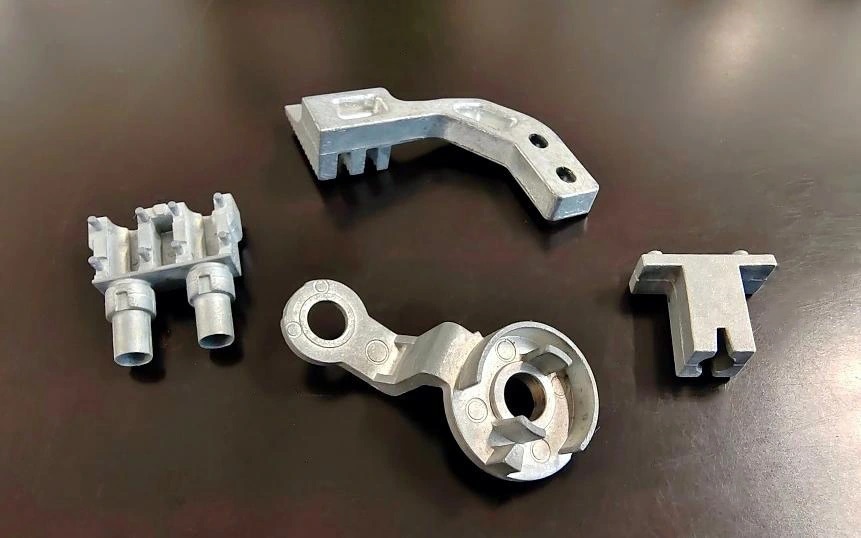
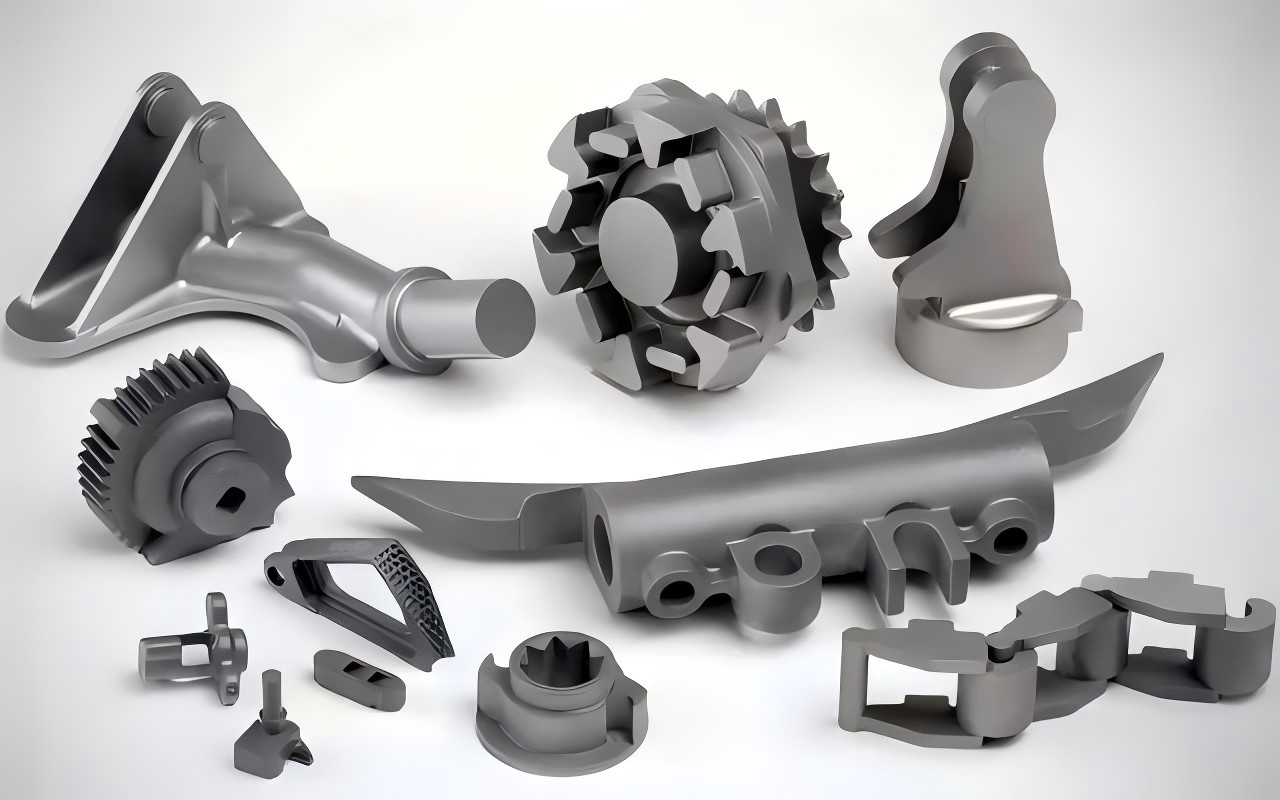
Customizing components with Eesson custom zinc die casting services offer unparalleled flexibility and precision. These custom die cast parts is an ideal choice for industries requiring specialized parts. Zinc alloys are highly versatile, allowing for the creation of complex geometries and intricate details that meet specific design requirements. This adaptability is particularly beneficial for sectors such as automotive, electronics, and consumer goods, where unique and high-performance components are often needed.
The process begins with detailed die casting die design and engineering, where advanced software tools are used to create precise molds tailored to the desired specifications. Once the casting die design is finalized, the zinc alloy is melted and injected into the mold under high pressure, ensuring that every detail is accurately captured. The result is a high-quality, customized component with excellent dimensional stability and surface finish.
Moreover, the low melting point of zinc alloys enables rapid production cycles, making it possible to produce large volumes of customized parts efficiently. This not only reduces lead times but also lowers production costs. Therefore our custom die casting provides a cost-effective solution for bespoke manufacturing needs.

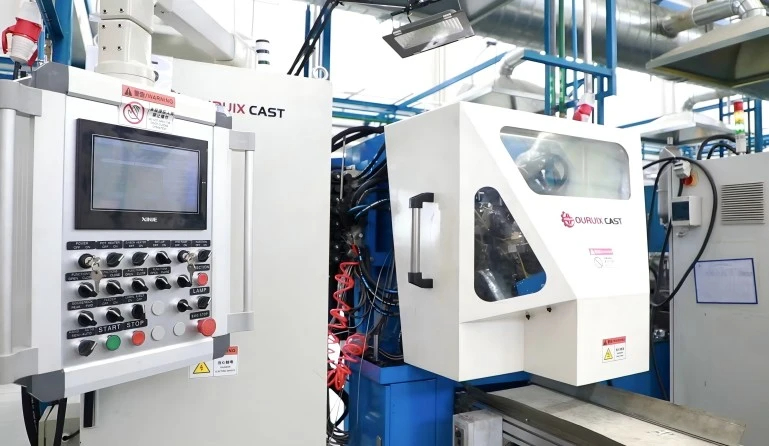
TYPE | QTY. |
CNC Machining | 1 |
EDM Spark | 1 |
Wire EDM | 1 |
Surface Grinder | 2 |
Milling | 3 |
Lathe | 1 |
ID/OD Grinder | 1 |
Engraving | 1 |
As a reliable zinc alloy die casting supplier, Eesson offers a comprehensive One-Stop Zinc Die Casting Customized Services for all your project needs. Our custom die casting services encompass Project Evaluation & Planning, Design, Sample Part creation, Serial Production, and After-sale Service. From the initial concept to the final product, we ensure seamless execution and exceptional quality. Trust eesson to deliver innovative solutions and unparalleled support at every stage of your project. Your success is our mission.
Know more Zinc Die Casting Services related blogs:

Custom zinc die casting offers exceptional precision, allowing for the production of components with tight tolerances and intricate details. This high level of accuracy reduces the need for secondary machining, saving time and costs while ensuring that parts meet exact specifications.
The low melting point of zinc alloys enables faster cooling and solidification times, which significantly speeds up the production of die cast manufacturing. This efficiency allows for high-volume manufacturing, making zinc alloy castings ideal for industries requiring quick turnaround times.
Custom zinc die casting is a cost-effective solution due to its efficient use of materials and energy. The process minimizes waste and reduces the need for expensive post-processing, resulting in lower overall production costs. Additionally, the durability of zinc molds extends their lifespan, further contributing to cost savings.
Custom zinc die casting provides excellent surface finishes straight out of the mold, often eliminating the need for additional finishing processes. This not only enhances the aesthetic appeal of the components but also improves their functional performance, making them suitable for a wide range of applications.


Room J757, No. 5358, Huyi Rd, Jiading, Shanghai, China
Room J757, No. 5358, Huyi Rd, Jiading, Shanghai, China