English
×
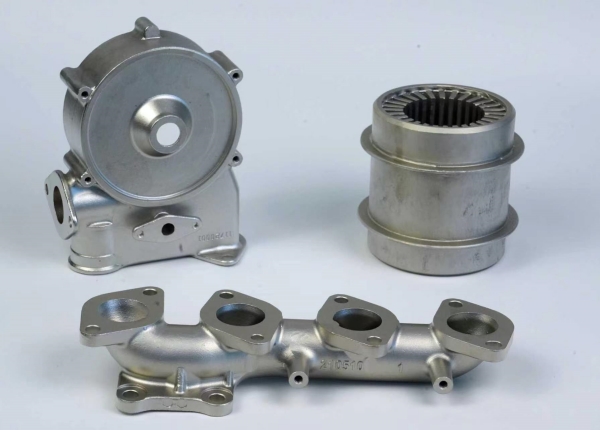
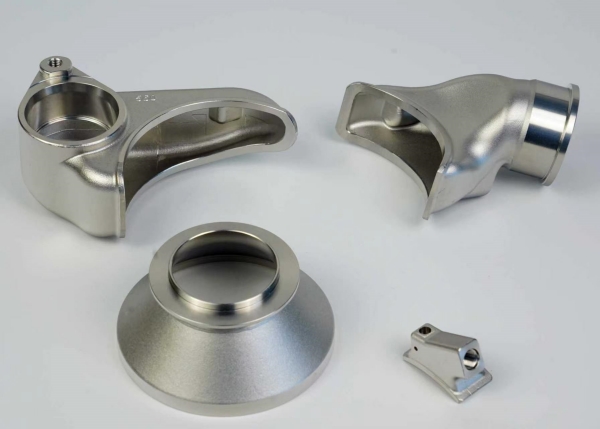

1、High dimensional precision and surface quality
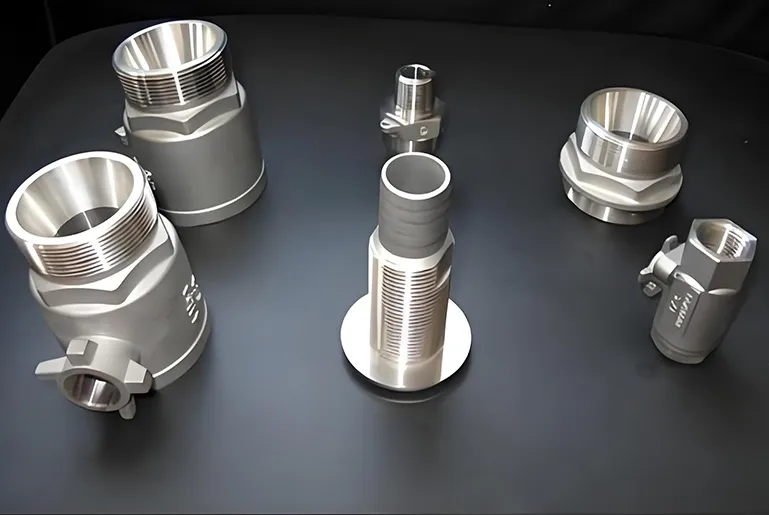
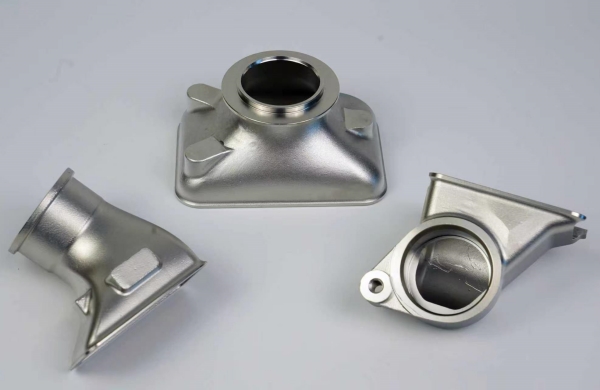
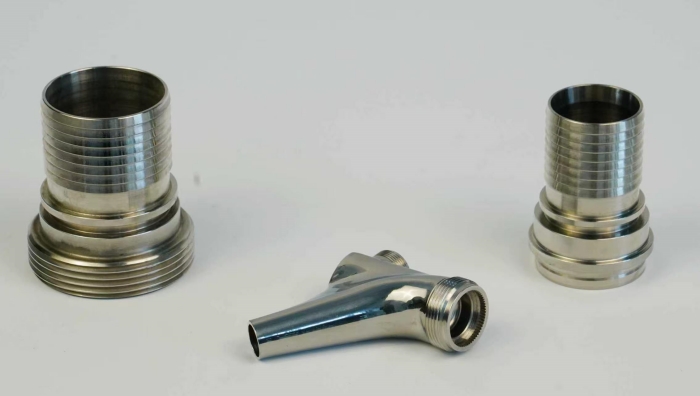
A, The castings have high dimensional accuracy, which can significantly reduce the subsequent machining allowance.
B, The characteristics of silica sol make the surface of the shell smoother, resulting in an excellent surface finish of the casting and enhancing the texture of the casting.
2、Ability to cast complex structures
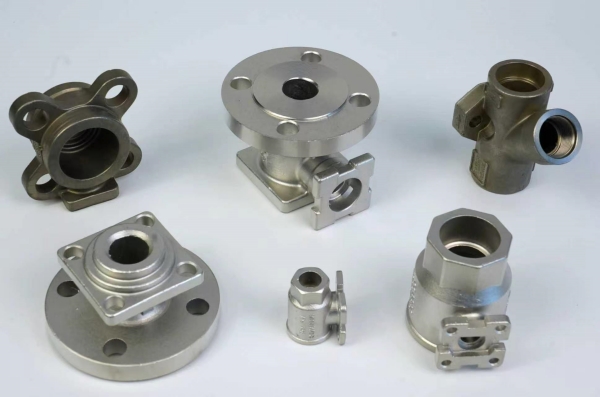
A, It is suitable for producing large, thin-walled and complex-shaped castings (such as aviation engine blades, impellers, etc.).
B, High production flexibility , not restricted by the size, thickness or complexity of the casting.
3、material and cost advantages
A, A variety of metal materials can be used, such as stainless steel, including high-temperature alloys, alloy steel, copper alloys and scrap metal resources, with high material utilization rate .
B, Compared with traditional binders such as ethyl silicate, silica sol is less costly and more environmentally friendly, and improves working conditions .
4、Wide range of applications
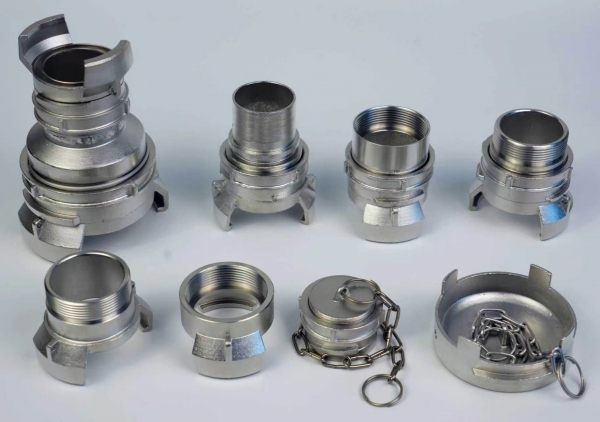
It covers fields such as aerospace, military industry, and civilian use, and is especially irreplaceable for high-demand parts (such as precision instrument components) .

Room J757, No. 5358, Huyi Rd, Jiading, Shanghai, China
Room J757, No. 5358, Huyi Rd, Jiading, Shanghai, China